
Most people assume all leather products are the same until they experience how quickly a cheap one wears out. What looks good at first can start to crack, peel, or lose its shape far sooner than expected, turning what seemed like a good deal into a recurring expense.
The real issue lies in the material and how it’s made. Cheap leather and mass-produced items often sacrifice quality to cut costs, which directly affects durability, comfort, and long-term value.
That’s where handmade leather products stand apart. Built with higher-grade materials and careful craftsmanship, they’re designed to age well, last longer, and offer far better value over time.
Premium leather isn’t defined by price alone; it’s determined by the quality of the hide and how minimally it’s altered. The highest standard is full-grain leather, which uses the top layer of the hide with all its natural fibers intact. This structure makes it stronger, more breathable, and far more durable than lower-grade alternatives.
Another defining factor is the natural surface. Premium leather retains its original grain, which means you’ll see slight variations, marks, and texture. These are not defects; they signal authenticity. In contrast, corrected leather is sanded and coated to create a uniform look, but this process removes the strongest part of the hide and reduces overall durability.
Thickness also plays a major role. Premium leather is typically thicker and denser, allowing it to handle daily wear without losing shape or strength. Over time, it doesn’t just last, it improves, developing a rich patina that adds character rather than showing damage.
Cheap leather is usually made from lower-grade layers of the hide or even synthetic materials. It often has an artificial, overly smooth finish that looks uniform but lacks strength. Because it is thinner and heavily processed, it tends to crack, peel, or lose its shape with regular use. While the upfront cost is lower, it often needs to be replaced much sooner.
Premium leather, on the other hand, uses high-quality layers like full-grain or top-grain. It keeps its natural texture, feels more breathable, and adapts better over time. Instead of wearing out, it develops a deeper color and softer feel, which adds to its appeal. The material is thicker, more resilient, and built to last for years, making it a better long-term investment despite the higher initial price.
The difference becomes obvious over time: cheap leather deteriorates, while premium leather evolves.
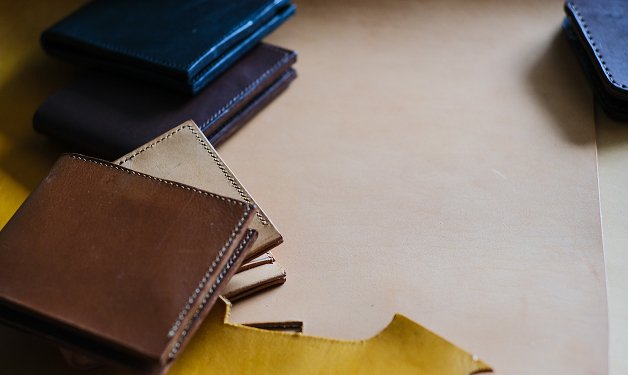
Handmade leather products are crafted with a completely different mindset than mass-produced alternatives. Instead of focusing on speed and volume, the emphasis is on material quality, construction strength, and long-term performance.
This approach directly impacts how well the product holds up over time, making handmade leather a far more durable and reliable choice.
Handmade leather products are typically crafted using full-grain or top-grain leather, the strongest and most durable parts of the hide. Unlike synthetic or low-grade leather, these materials retain their natural fiber structure, which allows them to withstand wear over time without cracking or peeling. This foundation alone significantly extends the product’s lifespan.
Hand stitching is tighter and more controlled than machine stitching. Each stitch is individually placed, creating stronger seams that are less likely to unravel. Even if one stitch weakens, the rest remain intact, something machine stitching often can’t guarantee.
Handmade products are built with attention to detail that mass production simply can’t match. Edges are finished properly, stress points are reinforced, and every component is carefully assembled. This level of precision reduces weak spots and improves overall durability.
Unlike factory-made items, handmade leather goods aren’t rushed through production. There’s no reliance on excessive glue, thin layers, or cost-cutting techniques. The focus remains on quality construction rather than speed, resulting in a more solid and reliable product.
Handmade leather products are created with longevity in mind. Instead of being designed for quick turnover, they are made to handle years of regular use. The structure, materials, and construction all work together to ensure the product ages well rather than breaking down.
The difference between handmade and factory production lies in both process and outcome. Factory-made leather goods are built for efficiency, faster production, lower costs, and higher volume. This often leads to compromises in material quality and construction techniques.
Handcrafted leather products follow a completely different approach. The focus is on structural durability, where each piece is carefully assembled to ensure strength at every point, especially in areas that experience the most stress.
Over time, this difference becomes more noticeable. Handmade items maintain their shape, stitching, and overall integrity, while mass-produced alternatives tend to weaken and degrade. In terms of long-term performance, handmade construction consistently proves to be the more reliable and cost-effective choice.
At first glance, cheap leather products seem like a smart purchase because of their low price. However, that initial saving often comes at the cost of durability. Low-grade leather tends to crack, peel, or lose its shape quickly, which means it needs to be replaced more often. Over time, these repeated purchases add up, making it more expensive in the long run.
Premium leather works differently. Because it is made from higher-quality materials and built to last, it can withstand years of regular use without breaking down. Instead of replacing the product every few months or years, you continue using the same item as it gradually improves in appearance and feel.
This is where the real value lies. Premium leather may require a higher upfront investment, but it reduces the need for frequent replacements. In the long term, it offers better performance, reliability, and overall cost efficiency, making it a smarter financial decision.
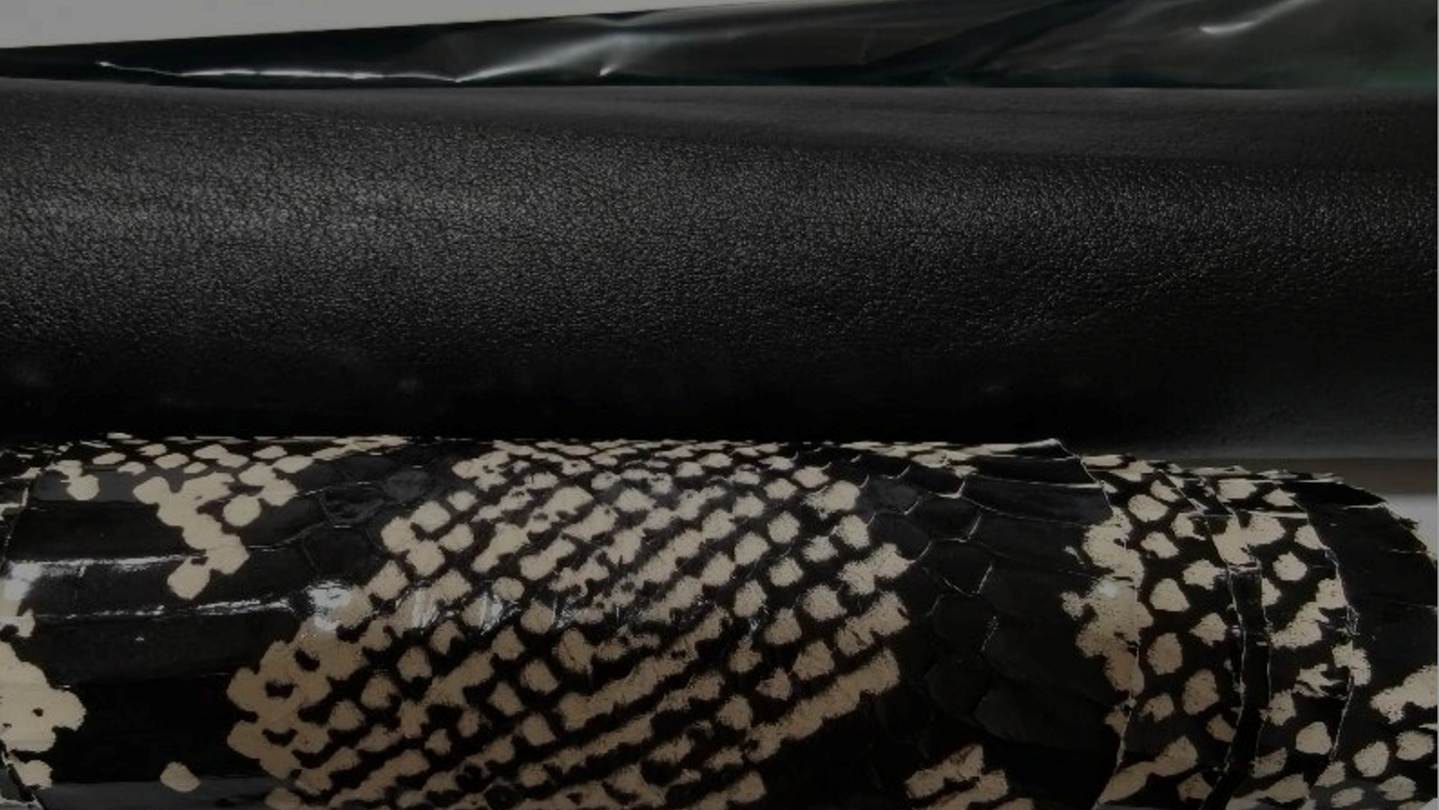
One of the easiest ways to identify cheap leather is its plastic-like appearance. If the surface looks overly smooth, shiny, or artificial, it’s likely heavily processed or synthetic rather than natural leather.
Another common sign is peeling edges. Low-quality leather often has a coated surface that begins to peel or flake with use, revealing the weaker material underneath. This is a clear indicator of poor durability.
Price can also be a strong signal. While everyone looks for a good deal, extremely low prices often mean compromises in material and construction. If a leather product is significantly cheaper than others on the market, there’s usually a reason behind it.
Handmade leather products last longer because they combine premium materials with skilled craftsmanship. Instead of relying on shortcuts or low-grade materials, they are built with high-quality leather and meticulous construction techniques that ensure strength, durability, and consistency. While cheap leather may look appealing at first, it often cracks, peels, or loses shape quickly, making it a short-term solution rather than a reliable investment.
In contrast, handmade leather is designed for long-term use. It maintains its structure, ages gracefully, and develops a richer look over time. Although the upfront cost is higher, it eliminates the need for frequent replacements, ultimately saving money and offering better value. Choosing handmade leather means prioritising quality, durability, and long-term satisfaction over temporary savings.